A trailer doesn’t disappear from the middle of your yard. It leaves through the gate — with paperwork that looked fine, a driver with a convincing story, or a late-night movement nobody checked. That’s the uncomfortable truth about cargo theft: most of it doesn’t look like a break-in. It looks like a normal pickup.
This guide covers how truck yards actually get hit, why the gate is the chokepoint that decides most losses, and the layered controls that make a yard a hard target — whether you run your own fleet yard or a shared facility with tenant carriers.
How truck yards actually get hit
Yard losses cluster into a few repeatable patterns:
- Fictitious pickups. Someone arrives with the right load number and the wrong identity — a story good enough to talk their way through an unattended or rushed gate.
- After-hours trailer movements. A tractor hooks a loaded trailer at 2 a.m. when nobody is on the intercom and nobody checks the movement against what was expected.
- Unverified visitors. “Mechanics,” “inspectors,” and “drivers waiting for dispatch” who were never on an authorized list walk the yard freely.
- Banned carriers returning. In shared yards, a company barred after an incident comes back under a different driver or truck.
- Fuel, equipment, and cab theft. Smaller, steady losses — siphoned diesel, stolen tools, broken cab windows — that add up and signal a soft target.
Notice what these have in common: almost every serious loss passes through the gate, and most exploit hours when nobody is actively watching.
Why the gate decides most losses
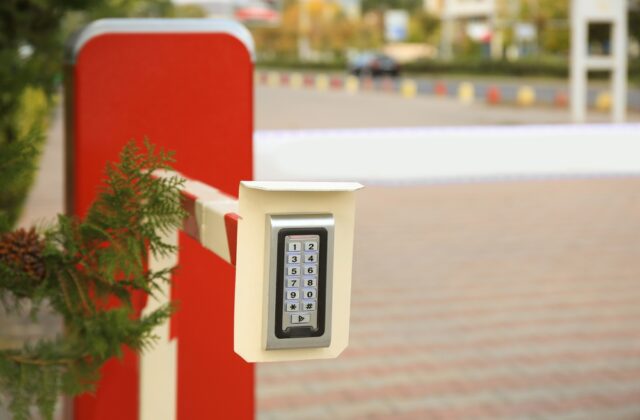
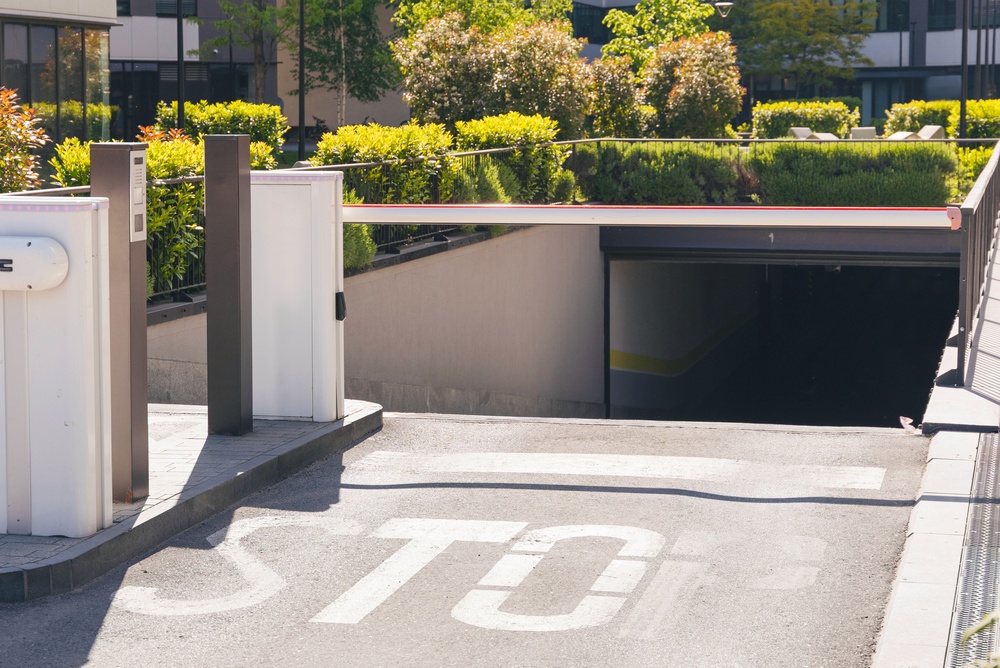
Fences, lighting, and cameras all matter — but the gate is where identity, authorization, and cargo meet. If your gate can answer three questions in real time, most theft patterns fall apart:
- Who is this? Driver identity, carrier, and purpose — confirmed before entry, not assumed.
- Should they be here? Checked against expected pickups, appointments, and authorized lists — including ban lists in shared yards.
- Does this movement match? Truck and trailer numbers logged in and out, and exits checked against expected departures.
A gate that produces records — not just openings — protects you twice: it deters the attempt, and it gives you a documented trail when you need to reconstruct what happened for police, customers, or an insurance claim.
The layered defence for a truck yard
1. Physical basics
Perimeter fencing in good repair, lighting on gates and trailer rows, and a single controlled entry/exit point. None of this stops a determined crew by itself — it funnels everything to the gate, where your real controls live.
2. Camera coverage where losses happen
Cover the entry and exit gates (with a view that can capture truck and trailer numbers), yard lanes, trailer rows, fuel storage, driver entrances, and fence lines. Recorded-only CCTV tells you what happened after the fact; its real value comes when someone is watching it live.
3. Live gate operations, run remotely
This is the layer most yards are missing. With remote truck yard monitoring, trained operators handle your gate as an active checkpoint during your selected service hours:
- The gate intercom is answered live, so drivers aren’t waiting — and nobody gets waved through.
- Driver verification confirms identity, carrier, and purpose before entry; visitor verification checks mechanics, vendors, and inspectors against your authorized lists.
- Truck and trailer numbers are captured on every monitored entry and exit — plate and seal detail where camera coverage allows.
- Exit-side checks compare outbound movements against expected departures, and flagged trucks have their approval held per your protocol.
Between gate events, operators watch covered cameras live during monitored hours, with AI-assisted detection helping flag movement in the yard — and voice intervention through compatible speakers when a warning is needed.
4. Records that hold up
Every verification and movement should land somewhere permanent. Gazer logs access events in GazerYMS, a yard management system with entry/exit logs, driver and trailer details, visitor records, and block/ban lists — plus written incident reports and daily activity logs for the yard itself.
Matching the control to the threat
| How yards get hit | The control that counters it |
|---|---|
| Fictitious pickup with a convincing story | Driver verification against expected pickups before entry |
| After-hours trailer movement | Live monitoring during your risk hours + exit checks against expected departures |
| Unverified visitor walking the yard | Visitor verification against authorized lists at the intercom |
| Banned carrier returning to a shared yard | Block/ban lists applied at the gate, per your protocol |
| Fuel and equipment theft | Camera coverage on fuel and equipment areas with operator review |
| Disputes with no record of who entered | Logged access events, truck/trailer capture, and daily activity logs |
Shared and multi-tenant yards
Shared yards have an extra problem: many companies, one gate. The fix is per-company rules applied consistently — each tenant’s authorized drivers and carriers honoured at entry, bans enforced no matter which driver shows up, and per-company records kept so disputes get settled by the log instead of by memory. The yard operator keeps the yard-wide view of monitored activity.
What about coverage hours?
Coverage should follow your risk. Most yards choose full 24-hour coverage; others run evenings, overnights, weekends, and holidays only — the windows when the yard is quiet and most attractive. Operators watch covered cameras live during the service hours in your plan, so the coverage matches when you’re actually exposed.
Frequently asked questions
Can remote monitoring really run a truck yard gate?
Yes — where compatible intercom and camera systems are in place. Operators answer the intercom live, verify drivers and visitors, support the entry and exit workflow per your approved protocol, and log every monitored movement. A site assessment confirms what your gate setup supports.
Do we need to replace our cameras?
Often, no. Compatible existing camera systems can usually be connected to the monitoring workflow — the assessment confirms compatibility and whether any coverage gaps need filling.
Is this an alternative to a gate guard?
For many yards, remote gate operations cover the same window at often lower cost than staffing a full-time guard, while watching more of the yard at once and documenting every event. It can complement or reduce dependence on on-site coverage depending on the property — see our guards vs remote monitoring comparison.
What happens when something is wrong?
Operators follow the response plan you approve: voice warnings where speakers exist, holding a flagged truck’s entry or exit approval per your protocol, contacting your people, and escalating when an event requires it — with a written incident report after.
What does truck yard monitoring cost?
It depends on your cameras, gate workflow, yard size, and coverage hours. We break down the factors in our remote video monitoring cost guide, and an assessment gets you a recommendation for your yard.
The bottom line
Cargo theft rarely climbs the fence — it drives through an unwatched gate. Yards that hold up share the same shape: one controlled gate, cameras on the areas that matter, live operators verifying who comes and goes during the hours the yard is exposed, and records for every movement.
Gazer Monitoring runs truck yard security monitoring for fleet and shared yards across Canada — gate intercom answered live, drivers verified, and every monitored entry and exit logged. Request a free assessment and a monitoring specialist will map coverage to your gate, your yard, and your hours.