In a warehouse, the loading dock is the busiest door in the building and the least watched. Trailers arrive, drivers come and go, freight moves in volume, and paperwork gets processed fast because the schedule doesn’t wait. That combination — high value, high traffic, high urgency — is exactly where losses hide.
Warehouse and distribution losses rarely look like a break-in. They look like a load that left with the wrong trailer, a pallet that never made it to the rack, or a driver nobody can identify on a claim three weeks later. Here’s where the exposure actually sits, and what monitored coverage changes.
Where warehouse losses actually happen
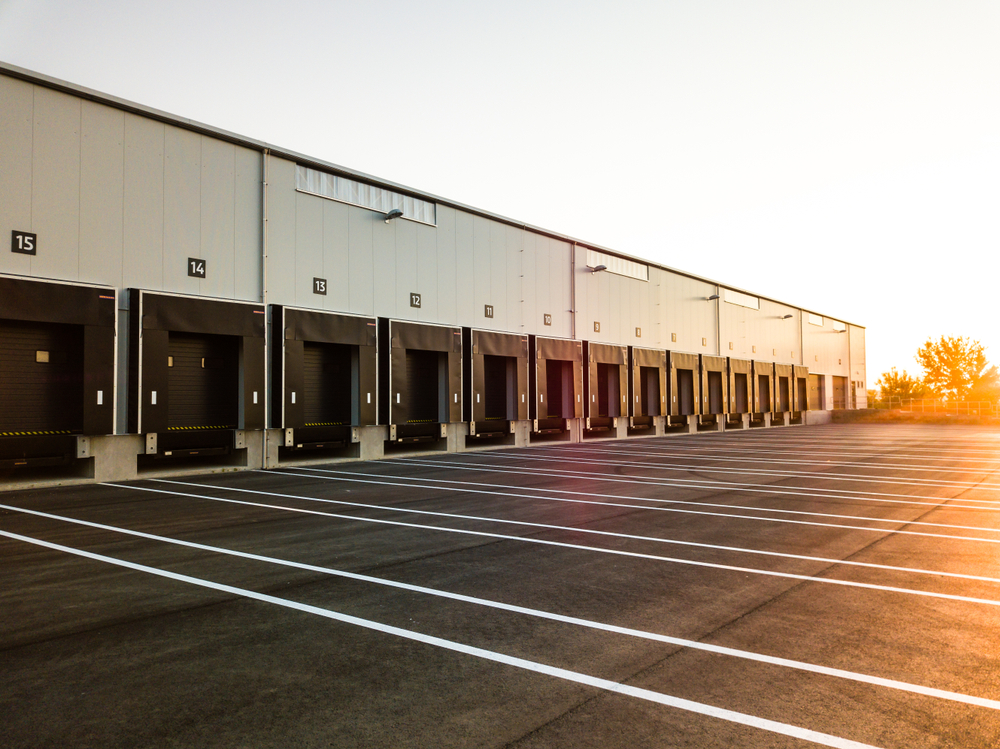
- The dock during operating hours. Freight moving fast, multiple carriers on site, and staff focused on throughput rather than verification.
- Trailer yards and drop lots. Loaded trailers parked overnight are a standing target — and yard moves are easy to miss without a record.
- After-hours perimeter. Fence lines, gates, and side doors once the last shift leaves.
- Staging and returns areas. High-value goods sitting in transition, often the least-controlled space in the building.
- Unverified visitors. Drivers, mechanics, and contractors moving through the site without a check against who was actually expected.
The pattern: most warehouse loss is a process gap, not a security-hardware gap. The camera was there. Nobody was verifying against expectations at the moment it mattered.
Recorded footage answers the wrong question
Standard warehouse CCTV is built for review. It tells you what happened after inventory flags a discrepancy — sometimes days later, when footage has to be pulled, scrubbed, and matched to a shipment record by hand.
That’s expensive in staff hours and often inconclusive. The trailer number wasn’t captured clearly. The camera covering that dock door was angled for a different bay. The relevant window rolled off retention.
Monitored cameras change the timing: activity is reviewed as it happens, and the events that matter are documented at the moment they occur, not reconstructed later.
How Warehouse Security Monitoring Deters Theft
With warehouse and logistics monitoring, trained operators watch your covered cameras during your monitored hours:
- Dock and door coverage. Operators monitor dock doors, staging areas, and access points during the service hours in your plan.
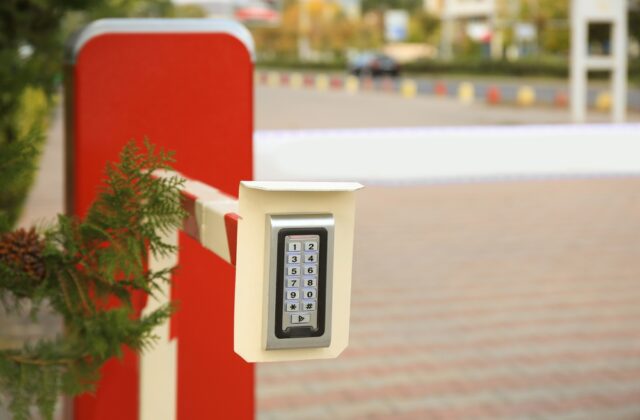
- Driver and visitor verification. At monitored gates, driver verification confirms identity, carrier, and purpose before entry, and visitors are checked against your authorized lists.
- Trailer detail capture. Truck and trailer numbers are logged on monitored entries and exits, with plate and seal detail where camera coverage allows.
- AI-assisted detection. Detection flags movement in restricted zones and after-hours areas so operators can focus attention across a large site.
- Live response. Voice-down warnings where speakers exist, plus escalation to your contacts per your approved protocol.
- Documentation. Access events and incidents land in written logs and reports your operations and claims teams can actually use.
Matching the control to the loss
| How warehouses lose product | The control that counters it |
|---|---|
| Load leaves on an unexpected trailer | Exit checks against expected departures, trailer numbers logged |
| Driver identity never verified at the gate | Live driver verification before entry, recorded to the log |
| Overnight trailer or fence-line breach | Operators watching covered cameras during after-hours coverage |
| Contractor or visitor unaccounted for | Visitor verification against authorized lists |
| Discrepancy found days later | Timestamped access logs and incident reports with video references |
| Staging-area shrink with no witness | Priority camera views monitored during operating hours |
Distribution Center Security at Scale
A large DC can run dozens of dock doors and hundreds of camera views. No on-site team watches all of that in real time — which is why coverage has to be prioritized rather than universal.
In practice that means monitoring the views where loss actually concentrates: gates, dock aprons, trailer rows, staging, and returns. AI-assisted detection helps surface movement in restricted zones so operators aren’t relying on scanning every feed equally.
For sites that also run a yard, entry and exit activity can be recorded in GazerYMS, giving the operations team one auditable record of driver, truck, and trailer detail alongside the monitoring itself.
Coverage hours follow the operation
Warehouses vary more than most property types. A single-shift operation is exposed for sixteen hours a day; a three-shift DC is never truly empty but is thinnest overnight.
- After-hours and weekends — the standard shape for single-shift sites.
- Full 24-hour coverage — common where trailers are always on the yard or shifts run continuously.
- Operating-hours dock coverage — for sites whose real exposure is verification during the busy window, not the empty one.
Operators watch covered cameras live during the service hours in your plan, so coverage is scoped to your actual shift pattern.
Benefits of Warehouse Security Monitoring
Beyond deterrence, monitoring gives warehouse operations something footage alone does not: a usable record.
- Shorter shrink investigations — timestamped access records instead of a manual footage hunt
- Documented incident reports for insurance claims and carrier disputes
- Driver, truck, and trailer detail captured on monitored movements
- Evidence to support changes to dock procedure, lighting, or yard layout
- Staff time returned to operations rather than after-the-fact video review
Frequently asked questions
Can you monitor during operating hours, not just overnight?
Yes. Many warehouses see their real exposure during the busy window — drivers, carriers, and freight moving fast. Coverage can be scoped to operating hours, after-hours, or full 24-hour depending on where your risk actually sits.
Do we need to replace our existing cameras?
Often, no. Compatible existing systems can usually be connected to the monitoring workflow. A site review confirms compatibility and identifies coverage gaps — particularly camera angles at dock doors and gates, which are the views that matter most.
Can operators verify drivers at the gate?
Yes, where compatible intercom and camera systems are in place. Operators confirm identity, carrier, and purpose against your expected pickups and deliveries, and log the movement.
What gets documented?
Depending on the plan: monitored entry and exit events with driver, truck, and trailer detail, visitor activity, incidents with operator notes, and daily activity logs — usable for operations review and insurance claims.
How does this help with shrink investigations?
It shortens them. Instead of scrubbing footage after a discrepancy surfaces, you have timestamped access records and documented incidents to work from. Monitoring applies to covered cameras during monitored hours, so the record reflects the coverage in your plan.
The bottom line
Warehouse loss usually isn’t a break-in — it’s an unverified movement through a door that was always supposed to be busy. Cameras alone record it. Monitored cameras put a trained operator behind the view during the hours that carry your risk, verify what’s happening, and leave you with a record you can act on.
Gazer Monitoring provides warehouse and logistics monitoring for warehouses, distribution centres, and fulfillment sites across Canada. Request a free assessment and we’ll scope coverage to your docks, yard, and shift pattern.