A commercial property is busiest when it’s empty. Once the last tenant leaves and the parking lot clears, the building becomes a quiet, predictable target — and most of what goes wrong happens in the hours nobody is watching. Break-ins through rear doors, catalytic converter theft in the lot, vandalism on the loading side, people sleeping in stairwells, dumped garbage that costs you a cleanup bill.
Cameras are usually already there. What’s usually missing is anyone watching them while it’s happening. Here’s how after-hours risk actually plays out on commercial properties, and what a monitored setup changes.
Where commercial properties actually get hit
Across office plazas, retail strips, medical buildings, and mixed-use sites, the same handful of weak points come up:
- Rear and side doors. Out of sight from the street, poorly lit, and often the least-covered part of the building.
- Parking lots and structures. Vehicle break-ins, catalytic converter theft, and overnight loitering — the single most common source of tenant complaints.
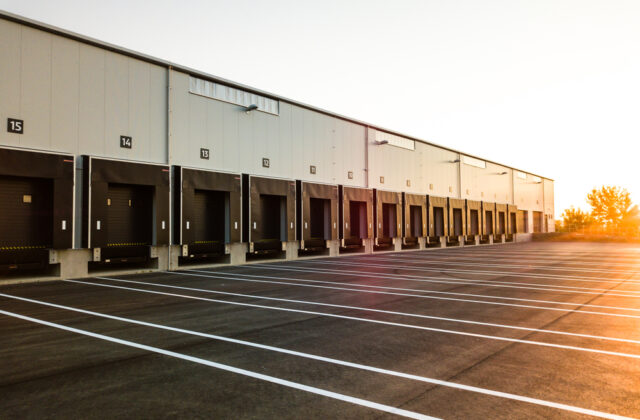
- Loading and waste areas. Illegal dumping, scrap and metal theft, and unauthorized vehicles using the site as a turnaround or overnight stop.
- Vacant or between-tenant units. Empty suites attract copper and fixture theft, and nobody is on-site to notice a forced door.
- Entrances and lobbies. Tailgating through a propped door, or people entering to sleep or use washrooms after hours.
None of these are dramatic. That’s the point — they’re routine, repeatable, and they compound into real cost: repairs, insurance claims, cleanup, and tenants who stop feeling safe in your building.
Why recorded-only cameras fall short here
Most commercial buildings already have a camera system. The problem is what it’s set up to do.
Recorded-only cameras answer the question “what happened?” the next morning. They don’t answer “what’s happening right now?” — which is the only question that changes the outcome. By the time footage is pulled, the vehicle is gone, the door is already damaged, and the incident is a claim rather than an interruption.
Motion alerts alone don’t solve it either. On a commercial property, motion fires constantly: passing traffic, wind, wildlife, headlights sweeping a wall, a delivery at the wrong hour. Without someone verifying what the motion actually is, alerts get ignored — and the one that mattered gets ignored with them. That’s the exact problem video verification is designed to solve.
How Commercial Property Monitoring Deters Crime
With commercial property monitoring, trained operators watch your covered cameras during your monitored hours and respond as activity happens:
- Watch. Operators monitor priority views — entrances, rear doors, lots, loading areas — during the service hours in your plan, with AI-assisted detection flagging movement in restricted zones as a second layer.
- Verify. Before anything escalates, an operator confirms what is actually happening. A contractor working late and a person forcing a rear door get very different responses.
- Respond. Where speakers are in place, voice intervention lets an operator issue a live warning — which often prompts someone to leave — and escalate to your contacts or authorities per your approved protocol.
- Document. Confirmed incidents are written up with video references, so you have a clear record for tenants, insurers, and property management.
What each approach actually gives you
| Situation | Recorded-only cameras | Monitored cameras |
|---|---|---|
| Someone forces a rear door at 2 a.m. | Footage available next morning | Operator sees it live and escalates per your protocol |
| Loitering in the parking structure | No response | Voice warning where speakers exist, documented |
| Illegal dumping at the bins | Cleanup bill, no attribution | Activity captured and documented as it happens |
| Tenant reports a vehicle break-in | Manual footage search | Incident report with time and video reference |
| Contractor on site after hours | Unverified | Verified against your approved access list |
Coverage should match how the building runs
A commercial property doesn’t need the same coverage at 2 p.m. as it does at 2 a.m. Most sites shape monitoring around their real exposure:
- After-hours only — evenings, overnights, and weekends, when the building is empty and incidents cluster.
- Full 24-hour coverage — for mixed-use or higher-traffic sites where something is always happening.
- Targeted zones — lot and loading areas monitored overnight while interior cameras stay recorded-only.
Operators watch covered cameras during the service hours in your plan, so the coverage lines up with when the property is actually exposed rather than paying for hours that don’t carry risk.
Benefits of Commercial Property Security Monitoring
Beyond deterrence, monitoring produces something commercial buildings usually lack: a record.
- Documented incident reports for insurance claims and tenant disputes
- Activity logs showing what happened on site and when
- Evidence to support decisions about lighting, access control, or lot changes
- A concrete answer for tenants who ask what’s being done about the parking lot
For multi-tenant buildings, that last point matters more than most owners expect. Tenant retention is often a security conversation in disguise.
Frequently asked questions
Can you use the cameras we already have?
In many cases, yes. Compatible existing camera systems can usually be connected to the monitoring workflow. A site review confirms compatibility and whether any coverage gaps need filling.
Do we need cameras everywhere in the building?
No. Coverage is scoped to the areas where incidents actually occur — entrances, rear doors, parking, loading, and waste areas. A site review identifies the priority views for your property.
Is this an alternative to a night patrol or on-site guard?
For many properties, remote monitoring covers the same after-hours window while watching multiple camera views at once and documenting every event, often at a lower cost than staffing on-site coverage. It can complement or reduce dependence on on-site coverage depending on the property — we compare the approaches in our guards vs remote monitoring guide.
What happens when an operator sees something?
They follow the response plan you approve: a live voice warning where speakers exist, contacting your designated people, escalating to emergency services when the situation calls for it, and documenting the event in a written report.
What does commercial property monitoring cost?
It depends on camera count, coverage hours, site size, and the response and reporting you need. Our cost guide breaks down the factors, and a site review produces an estimate scoped to your building.
The bottom line
Commercial properties rarely have a camera problem. They have a “nobody is watching” problem. The hours your building sits empty are the hours that generate repairs, claims, and tenant complaints — and those are exactly the hours a monitored setup is built for.
Gazer Monitoring provides commercial property monitoring for office, retail, medical, and mixed-use buildings across Canada. Request a free assessment and we’ll map coverage to your building, your risk hours, and your tenants’ concerns.