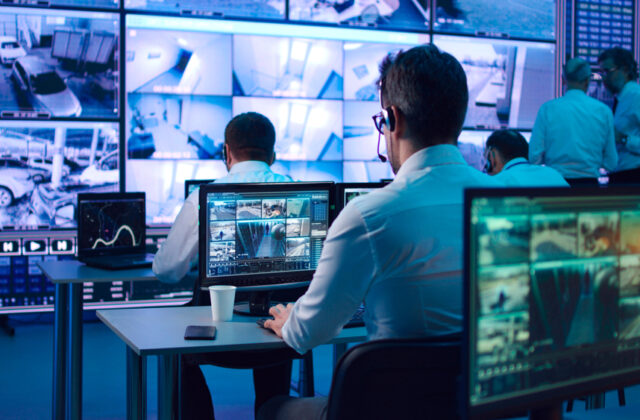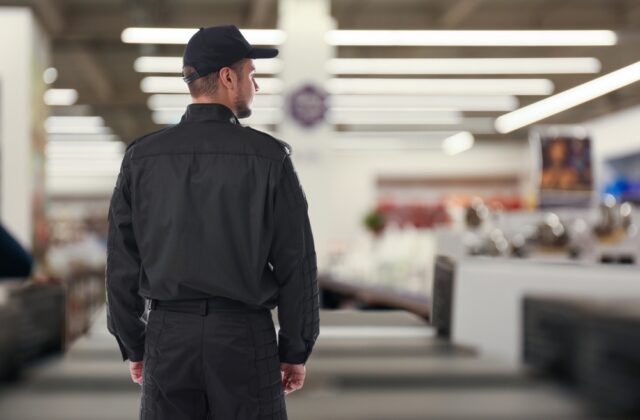
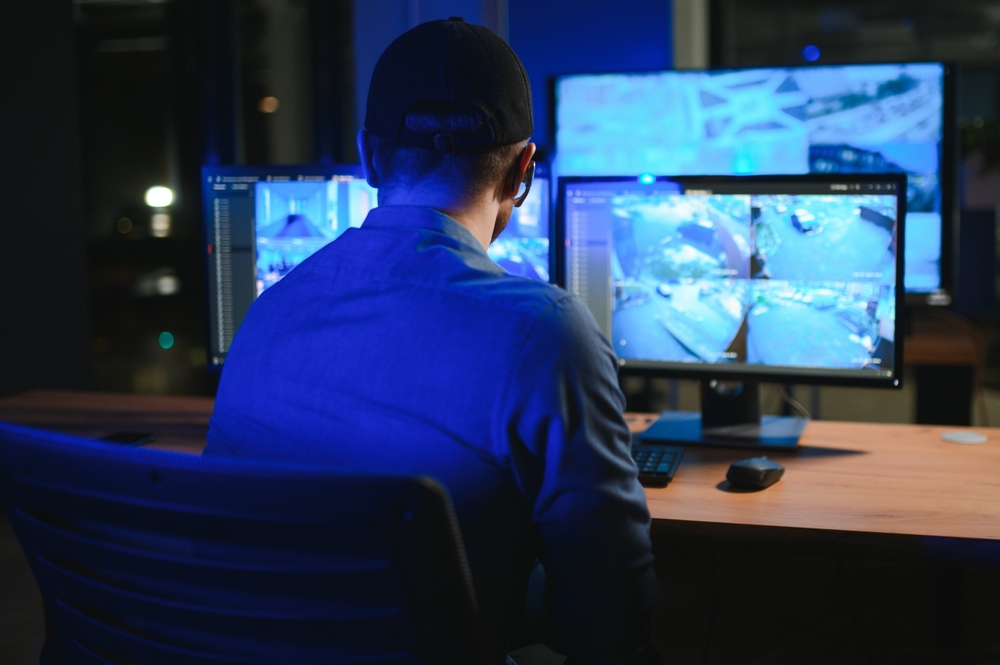
False alarms are expensive in ways that add up fast: municipal false‑alarm fines, wasted guard or responder dispatches, and — worst of all — a slow response when something real finally happens, because your address has “cried wolf” too many times. Video verification closes that gap. Instead of a sensor tripping and everyone hoping it’s real, a trained operator actually looks at the camera and confirms whether it’s a genuine threat before anyone responds.
At Gazer Monitoring, video verification is built into how we monitor across Canada: operators review alerts on your covered cameras and verify events before any action is taken. Here’s what that means and why it matters.
What is video verification?
Video verification is the step where a live operator visually confirms an alarm or detection on camera before a response is triggered. A traditional unverified alarm runs on trust: a sensor trips, an alarm fires, and someone is dispatched with no one confirming what actually happened — which is why so many turn out to be wind, wildlife, or a delivery driver. With video verification, the alert is reviewed by a person who can see the scene, so a response only goes out when there’s a real reason.
Why false alarms cost more than you think
- False‑alarm fees. Many Canadian municipalities charge escalating fines for repeat false alarms.
- Slower real response. Some police services deprioritize — or stop dispatching to — addresses with a history of false alarms.
- Wasted dispatches. Every unverified trip sends a guard or responder out to nothing.
- Alarm fatigue. When most alerts are noise, the one that actually matters gets ignored.
How video verification works
Gazer’s workflow is built to filter noise and act only on real threats — during the service hours in your plan, on your covered cameras:
- Detect. AI‑assisted detection helps flag people, vehicles, and unusual movement faster.
- Verify. A trained operator reviews the alert and confirms whether it’s a genuine threat — operators review alerts before any action is taken.
- Respond. Only verified events trigger a response: a live voice warning, escalation, or coordinating the right response — all captured in incident reporting.
Verified vs. unverified alarms
An unverified alarm says “something tripped a sensor.” A verified alarm says “an operator saw a person climbing the fence.” That difference matters: in many areas, police services now prioritize — and in some places only dispatch to — alarms confirmed by video, because verification cuts down on false runs. A verified alert is simply more actionable.
Does video verification actually reduce false alarms?
Yes — it can help reduce unnecessary responses when detection is paired with operator verification. No system can promise zero false alarms, but having a person confirm each alert before action means far fewer wasted dispatches and fines, and a faster, more credible response when it counts. It also pairs well with event‑based monitoring, where a detection triggers a review rather than continuous watching.
Do you need special cameras?
Usually not — existing cameras can often be connected to the monitoring workflow. An assessment confirms which of your cameras give operators the coverage they need to verify activity.
Getting started
The first step is a short assessment: we look at your cameras, your risk points, and the response you want, then set up verification that fits your site and hours.
Cut false alarms with verified monitoring → Request a free assessment.
Frequently asked questions
What is video verification?
It’s a monitoring step where a trained operator visually confirms an alarm or detection on camera before a response is triggered, so action is only taken on real threats.
Does video verification reduce false alarms?
It can help reduce unnecessary responses when paired with operator verification — operators review alerts before any action is taken. No service can eliminate false alarms entirely, but verification means far fewer wasted dispatches.
Are verified alarms a priority for police?
In many areas, yes — police services increasingly prioritize alarms confirmed by video over unverified ones, and some only dispatch to verified alarms. Local policy varies, so it’s worth checking with your municipality.
Do I need new cameras for video verification?
Often not. Existing cameras can frequently be used; an assessment confirms whether your current coverage lets operators verify activity where it matters.