Construction sites are one of the easiest targets around: high‑value equipment, no permanent staff, and long stretches when nobody’s watching. Most losses happen at night and on weekends — equipment, tools, copper, lumber, and fuel walk off while the site sits empty, theft delays your schedule, and unauthorized access creates liability. This guide covers how to secure a construction site after hours — the steps that actually reduce risk, and where live monitoring fits.
At Gazer Monitoring, we provide remote, live‑operator security monitoring across Canada: trained operators watch your covered cameras during the service hours in your plan, verify what’s happening, and respond on an approved protocol. Here’s the checklist we’d walk a site through.
Why construction sites get hit after hours
A jobsite is most exposed between the last shift and the first. Fencing and signage set a boundary, but they don’t stop a determined thief — and copper, tools, and fuel are quick to grab and easy to resell. The result is a predictable pattern: quiet hours, no eyes on site, and losses that only surface the next morning when the crew arrives. Reducing that risk is less about one big fix and more about layering a few controls that work together.
The after‑hours construction site security checklist
- Secure and inventory high‑value gear. Consolidate tools and small equipment into locked containers, and keep a running inventory of what’s on site — laydown areas, equipment compounds, fuel storage, and site trailers are the usual targets.
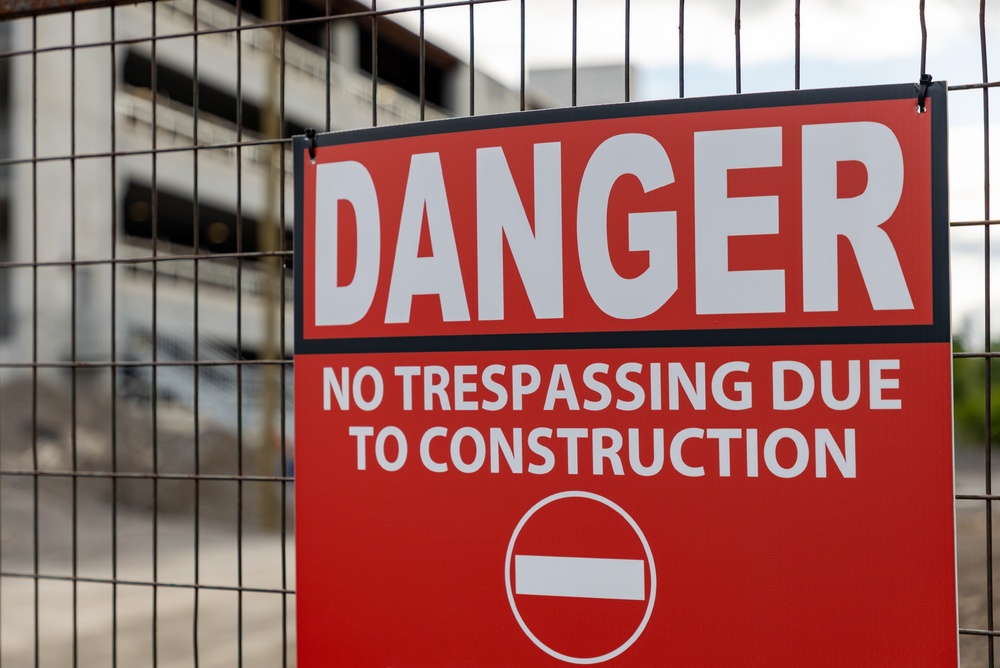
- Control access points. Gate the site, keep fencing intact, and post clear signage. Treat this as the boundary — necessary, but not something that stops entry on its own.
- Light the site. Good lighting at access points and around equipment compounds removes easy cover and makes both cameras and any deterrent far more effective.
- Remove the easy wins. Lock up or off‑site the highest‑theft items — copper, power tools, fuel — especially over long weekends and holidays.
- Cover the real risk points with cameras. Aim coverage at the perimeter, access points, laydown areas, and equipment compounds — not just the trailer door.
- Make those cameras monitored, not just recording. This is the step that changes the outcome — see below.
Why recording isn’t enough
Cameras that only record tell you what you already lost. By the time you review the footage, the equipment is gone and the trail is cold. The difference maker is live monitoring: someone watching the covered cameras who can verify a real threat and act while it’s still happening, instead of after the fact.
How live construction site monitoring works
Gazer brings construction site security into one managed service. During the service hours in your plan, on your covered cameras:
- Operators watch live, with AI‑assisted detection flagging movement where there should be none.
- Perimeter and access points are checked for cut fence sections, climbers, and vehicles staging near the site — verified live before any response.
- Voice intervention: a live operator can deliver a specific audio warning to confirmed intruders — designed to help deter and de‑escalate, and it often prompts them to leave before anything is taken.
- Everything is documented with incident reporting you can share with police, insurers, or head office.
Coverage can run full 24‑hour, or focus on the overnight, weekend, and holiday windows while the jobsite is exposed — whatever fits the phase of the build. Because equipment can be included and managed under the plan, there’s no upfront equipment cost available on approved plans.
Do you still need on‑site guards?
Often, no. Remote monitoring is a documented alternative to full‑time on‑site guards, and for the exposed after‑hours window it’s usually more cost‑effective — one monitoring setup covers many camera views across the site at once, instead of paying for a person to walk a fixed patrol. It helps deter and verify activity, and it produces a record every time. For many sites, that’s the right coverage for nights and weekends without the cost of standing guards.
How to get started
The simplest first step is a short assessment: we look at your site layout, the exposure points, and the hours you need covered, then scope the right coverage for this phase of the build.
Protect your site after hours → Request a free assessment.
Frequently asked questions
Can you secure a construction site without on‑site guards?
Yes. Gazer provides remote construction site security monitoring — trained operators watch covered cameras live during monitored hours and follow your response plan, a documented alternative to full‑time on‑site guards.
What gets stolen most from construction sites?
Equipment, power tools, copper, lumber, and fuel — items that are quick to grab and easy to resell — mostly taken at night and on weekends.
When are construction sites most at risk?
The empty hours: nights, weekends, and holidays, when no crew is on site. That’s the window where monitoring earns its keep.
Does construction monitoring run around the clock?
It can. Coverage runs full 24‑hour, or focuses on the overnight, weekend, and holiday windows — during the service hours in your plan, on your covered cameras.