
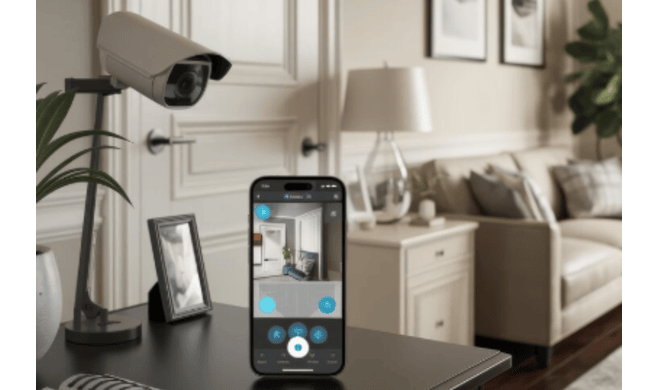
Home security has moved far beyond traditional alarms and basic cameras. Today’s homeowners are looking for systems that not only record activity but also help prevent incidents before they occur. This shift is driven by changing lifestyles, increased awareness of risks, and the need for continuous visibility.
Smart home surveillance offers a more advanced approach by combining real-time monitoring, intelligent detection, and immediate response. Instead of relying on footage after an event, homeowners can now stay informed and take action as situations develop.
This approach supports stronger home protection, improves awareness, and helps create a safer living environment.
Overview of Smart Home Surveillance Systems
Traditional residential CCTV systems focus on recording events. While useful for reviewing incidents, they do not actively prevent them. This is where smart home surveillance makes a difference.
Modern systems combine multiple technologies to create an active monitoring environment. These include:
- Real-time video feeds
- Intelligent detection systems
- Instant alert notifications
- Remote access for homeowners
With AI-enabled monitoring, systems can identify unusual activity and prioritize alerts. This ensures that attention is given to genuine risks rather than routine movements.
Why Homeowners Need Smarter Surveillance
Security challenges for residential properties are becoming more complex. Homes are often left unattended during work hours or travel, creating opportunities for unauthorized access.
Common concerns homeowners face:
- Unnoticed entry attempts
- Package theft or property damage
- Limited visibility of outdoor areas
- Delayed awareness of suspicious activity
As one homeowner shared:
“Having access to live updates makes it easier to respond quickly instead of finding out later.”
This need for real-time awareness is one of the main reasons why smart home surveillance is becoming more widely adopted.
How Smart Home Surveillance Works
Real-Time Monitoring and Alerts
At the core of smart home surveillance is real-time monitoring. Cameras continuously capture activity and send updates instantly.
This allows homeowners to:
- View live footage from their devices
- Receive alerts when unusual activity is detected
- Respond immediately if needed
This level of awareness is essential for effective home protection, especially when the property is unattended.
AI-Enabled Monitoring for Smarter Detection
One of the key limitations of traditional systems is the number of false alarms. AI-enabled monitoring improves this by analyzing activity patterns and identifying potential risks more accurately.
It can:
- Distinguish between people, animals, and objects
- Identify unusual behavior based on timing and location
- Reduce unnecessary notifications
This ensures that alerts are relevant and actionable, improving the overall effectiveness of the system.
Audio Deterrents for Immediate Action
Modern systems often include audio deterrents, which allow homeowners or monitoring teams to respond instantly to suspicious activity.
These features can:
- Deliver voice warnings to potential intruders
- Create awareness that the property is being monitored
- Prevent incidents before they escalate
In many cases, this immediate response supports burglary prevention by discouraging further action.
Benefits of Smart Home Surveillance
Improved Home Protection
Smart home surveillance provides a layered approach to security. Instead of relying on a single method, it combines monitoring, detection, and response.
This results in:
- Faster identification of risks
- Better control over security situations
- Increased overall safety
Stronger Burglary Prevention
Preventing incidents is more effective than responding after they occur. With real-time monitoring and deterrent features, systems help reduce the likelihood of break-ins.
Key advantages include:
- Early detection of suspicious activity
- Immediate intervention through alerts or audio warnings
- Reduced opportunities for intruders
Continuous Awareness
With 24/7 monitoring, homeowners stay informed about what is happening around their property at all times.
This includes:
- Day and night visibility
- Monitoring during travel or absence
- Instant updates on unusual activity
Reduced False Alarms
False alerts can reduce trust in a security system. AI-enabled monitoring helps minimize these by focusing on genuine risks.
This improves:
- Efficiency of monitoring
- Response accuracy
- Overall user experience
Key Areas to Install Residential CCTV
Proper placement of residential CCTV cameras is essential for effective monitoring.
Entry Points
Doors and gates are the primary access points to any home. Monitoring these areas helps track all movement and detect unauthorized entry attempts.
Driveways and Garages
These spaces often contain vehicles and valuable items. Continuous monitoring helps prevent theft and damage.
Backyards and Perimeter
Boundary areas are common entry points for intruders. Monitoring these zones improves detection and strengthens home protection.
Indoor Common Areas
While optional, indoor monitoring can provide additional security, especially in shared or high-value spaces.
Best Practices for Implementing Smart Home Surveillance
A well-planned setup ensures that smart home surveillance delivers maximum benefits.
Start with a Security Assessment
Identify vulnerable areas around the property. This helps determine where cameras and monitoring systems are needed most.
Use Strategic Camera Placement
Position cameras to cover all critical zones without creating blind spots. Proper placement improves visibility and effectiveness.
Enable Real-Time Alerts
Set up notifications to stay informed about activity. Alerts should be timely and easy to understand.
Integrate AI Features
Using AI-enabled monitoring enhances detection and reduces false alarms, making the system more reliable.
Maintain Privacy Considerations
Ensure that cameras are placed responsibly and respect the privacy of residents and neighbors.
The Role of Technology in Modern Home Security
Technology has made home security more accessible and efficient. With smart home surveillance, homeowners can monitor their property remotely and respond to incidents in real time.
Key technological advantages include:
- Mobile access to live footage
- Automated alerts and notifications
- Integration with other smart home systems
These features allow homeowners to stay connected to their property regardless of location.
Long-Term Benefits for Homeowners
Investing in modern surveillance systems offers lasting value.
Safety Benefits
- Improved protection for family members
- Faster response to potential threats
Financial Benefits
- Reduced losses from theft or damage
- Better management of security-related costs
Convenience Benefits
- Remote monitoring from any location
- Easy system management through mobile devices
Over time, these benefits contribute to a safer and more secure home environment.
Conclusion
Modern security needs require more than traditional solutions. Smart home surveillance provides a comprehensive approach by combining real-time monitoring, intelligent detection, and proactive response.
From improved burglary prevention to enhanced home protection, these systems help homeowners stay aware and prepared. By adopting advanced monitoring strategies, it becomes easier to manage risks and maintain a secure living environment.
Solutions supported by providers like Gazer Monitoring can help homeowners implement reliable systems that improve safety, increase awareness, and provide long-term peace of mind.
FAQs
What is smart home surveillance?
It is a system that uses cameras, real-time monitoring, and AI technology to improve home security.
How does AI-enabled monitoring work?
It analyzes activity patterns to identify unusual behavior and reduce false alarms.
What are audio deterrents?
They are voice-based warnings used to discourage intruders when suspicious activity is detected.
How does smart surveillance help with burglary prevention?
It detects threats early and allows immediate action, reducing the chances of break-ins.
Where should residential CCTV cameras be installed?
Key areas include entry points, driveways, backyards, and other vulnerable zones.
Can smart home surveillance be used in all types of homes?
Yes, it can be customized to suit different property sizes and security requirements.
