
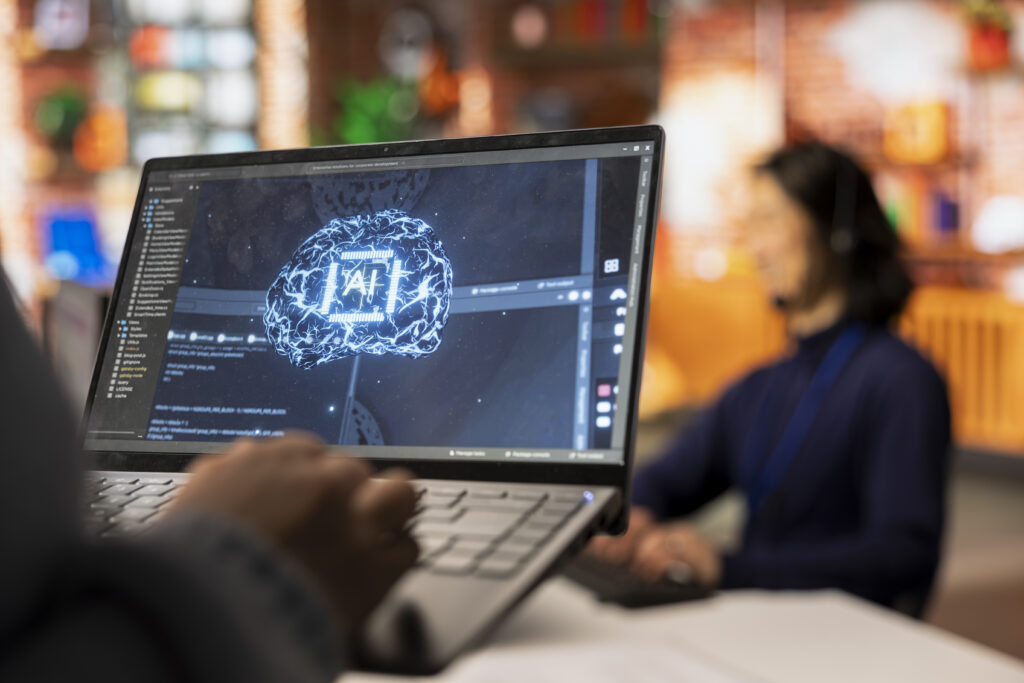
Key Takeaways
- Traditional surveillance systems are reactive and focus only on recording incidents after they occur
- AI and human monitoring combine automation with human judgment for better security outcomes
- AI video analytics helps detect unusual activity in real time
- Human operators validate alerts and ensure accurate decision-making
- Real-time response significantly reduces the risk of escalation and damage
- Live intervention tools like audio deterrents help prevent incidents on the spot
- This approach is suitable for industrial sites, retail spaces, offices, warehouses, and construction environments
- Improves efficiency, reduces false alarms, and strengthens overall risk management
Security challenges for businesses and industrial sites are becoming more complex. Traditional surveillance methods often rely on passive recording, which means incidents are reviewed only after they occur. This approach limits the ability to respond in real time and often results in delayed action.
To address these gaps, many organizations are adopting AI and human monitoring as part of their security strategy. By combining AI video analytics with operator intervention, remote monitoring systems can detect, assess, and respond to risks in real time. Businesses are increasingly relying on Live Video Monitoring Services to ensure continuous oversight and faster response to potential threats.
Overview of AI and Human Monitoring in Modern Remote Security Systems
Security challenges for businesses and industrial sites are becoming more complex. Traditional surveillance methods often rely on passive recording, which means incidents are reviewed only after they occur. This approach limits the ability to respond in real time and often results in delayed action. To address these gaps, many organizations are adopting AI and human monitoring as part of their security strategy. By combining AI video analytics with operator intervention, remote monitoring systems can detect, assess, and respond to risks in real time. Businesses are increasingly relying on Live Video Monitoring Services to ensure continuous oversight and faster response to potential threats.
What Is AI and Human Monitoring?
AI and human monitoring are a security approach where artificial intelligence works alongside trained operators to monitor environments and respond to potential risks. Instead of relying only on automation or manual observation, this method integrates both for improved accuracy and efficiency.
AI systems continuously analyze video feeds to detect unusual patterns such as unauthorized access or suspicious movement. When such activity is detected, alerts are generated instantly. Human operators then review these alerts, interpret the situation, and decide on the appropriate response.
This approach, often supported by Live Video Monitoring, ensures that security is not only automated but also guided by human judgment, which is essential in complex real-world scenarios.
Why Businesses Are Moving Beyond Traditional Surveillance
Traditional surveillance systems are designed to record events rather than prevent them. While they are useful for reviewing incidents, they do not actively contribute to stopping threats in real time.
One major limitation is delayed response. Businesses may only become aware of incidents after damage has already occurred. Another issue is the reliance on manual monitoring, which can lead to fatigue and missed warning signs.
Modern Video Surveillance addresses these challenges by combining AI-driven detection with human oversight. This shift allows businesses to move toward a proactive security approach where risks are identified and managed before they escalate.
How AI Video Analytics Enhances Monitoring
AI video analytics plays a central role in AI and human monitoring systems. It processes large volumes of video data continuously and identifies patterns that may indicate a potential threat.
For example, AI can detect unusual movement in restricted areas, recognize loitering behavior, or identify activity outside business hours. These insights are generated in real time, allowing systems to flag suspicious events immediately.
However, AI alone cannot always interpret intent accurately. This is why human operators are essential, as they provide context and ensure that alerts are handled appropriately.
The Role of Human Operators in Remote Monitoring
Human operators are a key part of AI and human monitoring. They provide the judgment and decision-making ability that technology alone cannot achieve.
When an alert is triggered, operators review the situation carefully. They assess whether the activity is genuinely suspicious or harmless. Based on this evaluation, they decide on the next steps, which may include issuing warnings, notifying authorities, or escalating the situation.
This combination of AI detection and human evaluation ensures that monitoring is both efficient and reliable.
Benefits of AI and Human Monitoring
Improved accuracy
In AI and human monitoring, AI systems analyze large amounts of data quickly, but they may sometimes generate false alerts. Human operators review these alerts to confirm their validity. This layered approach significantly improves accuracy by ensuring that only genuine threats are acted upon.
Faster response times
One of the key advantages of AI and human monitoring is the ability to respond quickly. AI detects unusual activity instantly, and human operators can take immediate action. This reduces the time between detection and response, which is critical in preventing incidents.
Enhanced crime prevention
Continuous monitoring combined with real-time intervention creates a strong deterrent against criminal activity. Systems supported by live security camera monitoring allow operators to intervene directly, often stopping incidents before they occur.
Better risk management
Businesses benefit from improved visibility into potential risks. AI and human monitoring provide continuous insights that help organizations identify patterns, assess vulnerabilities, and strengthen their security strategies over time.
Reduced operational burden
Automation reduces the need for constant manual supervision. With AI handling routine monitoring tasks, human operators can focus on critical situations. This improves efficiency without compromising security.
Real-Time Intervention and Live Audio Deterrents
A major advantage of AI and human monitoring is the ability to intervene in real time. When suspicious activity is detected, operators can respond immediately using communication tools such as live audio systems.
For example, if someone enters a restricted area, an operator can issue a warning through speakers. Direct communication often prevents further action and discourages unwanted behavior.
This capability is a key feature of Live Video Monitoring Services, where real-time interaction helps prevent incidents before they escalate.
Applications Across Industries
AI and human monitoring are widely used across different industries due to its flexibility and effectiveness.
Industrial sites
Large industrial areas often have limited on-site staff. Remote supervision helps monitor critical zones, equipment, and entry points, reducing the risk of unauthorized access.
Commercial properties
Office buildings and retail spaces benefit from improved visibility and faster response times, ensuring a safer environment for employees and visitors.
Warehouses and logistics
Monitoring movement and operations helps reduce theft and improve efficiency. AI systems detect unusual activity, while operators verify and respond accordingly.
Construction sites
Construction environments are often vulnerable to theft and vandalism. Implementing Live Video Monitoring ensures continuous surveillance and timely intervention.
Supporting Compliance and Safety Standards
Businesses must comply with safety and regulatory requirements. Modern Video Surveillance Services support these standards by providing consistent monitoring and accurate reporting.
Human operators ensure that alerts are handled properly, improving accountability, and reducing potential risks.
Challenges and Considerations
While AI and human monitoring offer many benefits, businesses should consider several factors before implementation.
Data privacy
Organizations must ensure that monitoring systems comply with data protection regulations to maintain trust and avoid legal issues.
System integration
New systems should be compatible with existing infrastructure to ensure smooth implementation and performance.
Initial investment
Although the initial cost may be higher, the long-term benefits in terms of risk reduction and efficiency often outweigh the investment.
Training requirements
Operators need proper training to interpret alerts and respond effectively, which is essential for maximizing system performance
How to Choose the Right Monitoring Approach
Selecting the right solution depends on the specific needs of the business. Factors such as property size, risk level, and required response time should be considered.
A balanced approach that integrates AI video analytics with human intervention often delivers the most reliable results. Businesses exploring advanced solutions can consider AI-powered remote video monitoring to combine automation with real-time human response.
The Future of AI and Human Monitoring
The future of AI and human monitoring lies in continued technological advancement. Systems are expected to become more accurate, faster, and better integrated with other technologies.
Improvements in predictive analytics and real-time data processing will further enhance the ability to detect and prevent risks. This will help businesses maintain higher levels of safety and operational efficiency.
Conclusion
AI and human monitoring represent a practical and effective approach to modern security challenges. By combining AI video analytics with operator intervention, businesses can detect risks early, respond quickly, and prevent incidents before they occur.
This approach improves accuracy, reduces false alarms, and supports better decision-making across different industries. Organizations looking to strengthen their security framework can explore solutions from Gazer Monitoring to build a more proactive and reliable monitoring system.
FAQs
What is AI and human monitoring?
It is a security approach that combines artificial intelligence with human operators to detect and respond to threats in real time.
How does operator intervention improve monitoring?
Operators review AI alerts, assess situations, and take appropriate action, which improves accuracy and reduces false alarms.
Is AI and human monitoring suitable for small businesses?
Yes, it is scalable and can be adapted to meet the needs of both small and large organizations.
What are live audio deterrents?
They allow operators to communicate directly with individuals on-site to prevent suspicious activity.
Can AI replace human monitoring?
AI improves efficiency, but human judgment remains essential for accurate decision-making and effective response.
